Embrace the Eschaton
“Lift up your heads, ye mighty gates;
behold, the King of Glory waits;
the King of kings is drawing near;
the Saviour of the world is here!”
The following homily was preached to the student brothers during Compline. You can listen here or read below:
Reading: Luke 21:20-28
God delights in reconciling opposites. God delights in confounding our expectations. This doesn’t just apply to the way he answers our prayers. It applies to the whole Christian story: paradox is at the heart of our faith.
We’ve just heard Jesus talk about the destruction of the Temple in Jerusalem and about the end of time. Jesus tells us that when “these things begin to happen”, we should “lift up our heads”. We should – in a word – rejoice. So we have here the odd mixture of celebration and destruction – it is like we are children being told to stand back and enjoy the house burning down! That is of course not the whole story.
“Lift up your heads” is the same command we hear in Psalm 24: “lift up your heads, mighty gates”, so that the “King of glory” may enter. Tradition has seen this psalm as written by King David for the triumphant entrance of the Ark of the Covenant into Jerusalem. This was the sign of God coming to live among his people.
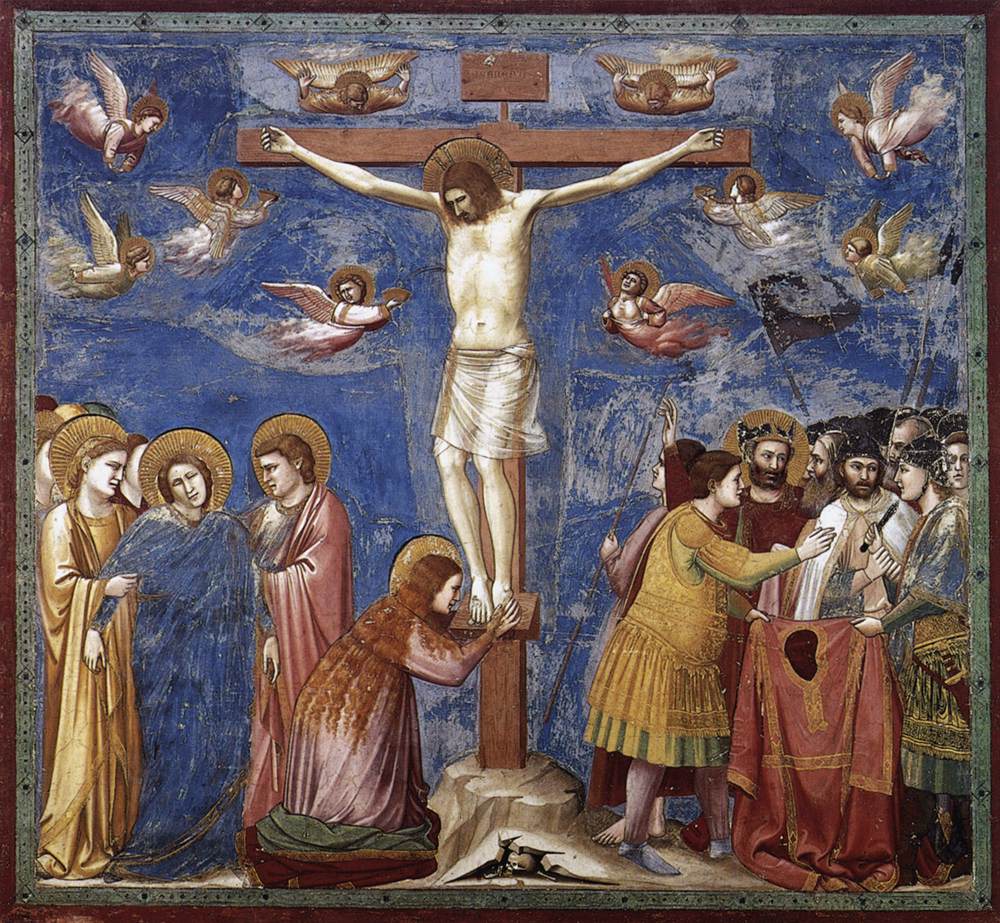
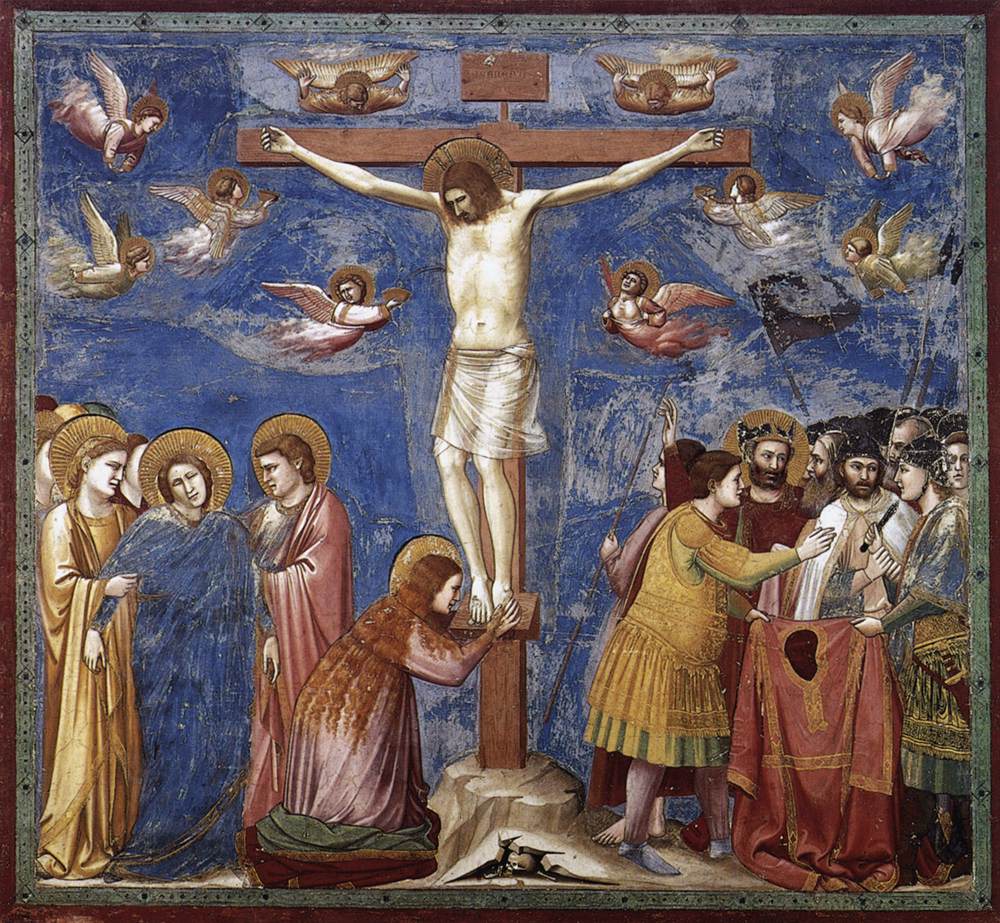
Jesus is also talking of God coming once more to live among his people – but in a new and very different way. At the heart of Jesus’ preaching is His preaching of the cross, and that is what he is talking about here. St John reminds us that Jesus’ Crucifixion in Jerusalem was his enthronement as King, that was his Hour of Glory. That was the moment he became visibly the king of Glory.
When Christ was dying on the cross, there were indeed “signs in the sun and moon and stars”; the “powers of heaven” (and the earth) were indeed shaken. So as witnesses to these events, in the New Israel, the Church, we should indeed rejoice: like the entrance of the Ark into Jerusalem, Christ enters the story of humanity – our story – at his crucifixion. The entrance cross into human history is indeed the sign of Christ’s triumph over the evil in our lives.
So here is the supreme paradox: the all-powerful God not only becomes one of us, but also dies on the cross. And whereas the destruction of the Temple marked the end of something great, the death of Christ on the cross is the beginning of something much, much greater. And what does this all mean? It’s simply the great paradox of our faith: the transcendent God is very, very close to us.
Image: Giotto di Bondone, Crucifixion in the Scrovegni Chapel in Padua (Image credit: Wikimedia Commons)