

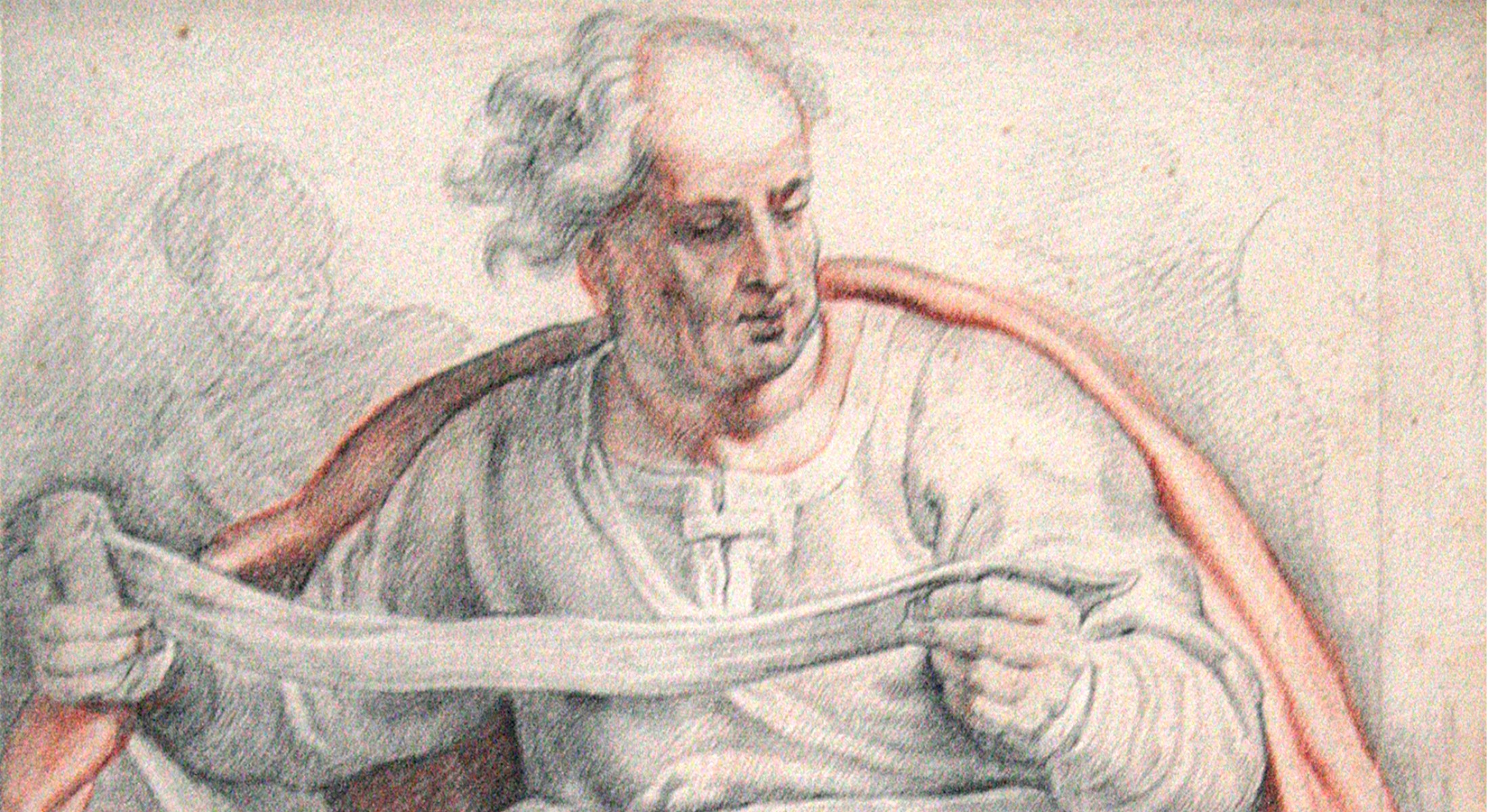
Going Away and Coming Back
Ash Wednesday. Fr Colin Carr preaches on the call to repentance.
Many stories, epics and myths are about someone or some people, maybe some animals, leaving home, having adventures and encounters in places which are strange to them, sometimes an underworld or another galaxy, and returning, changed, to a changed home, or maybe another home.
Jesus spoke of his life in these terms: he said to the disciples after the Last Supper, ‘I came from the Father and have come into the world; again, I am leaving the world and am going to the Father.’
A starkly simple account of his mission; and it gives a pattern for understanding the whole story of Creation and Salvation. It’s the pattern of Scripture: humanity leaves paradise and is offered a way back; it’s the pattern of St Thomas Aquinas’s Summa Theologica: things (and humanity) come from the Creator and they return to their Creator.
It sounds simple, but the journey home is an epic rather than an easy bus-journey, and the point of Ash Wednesday is to remind us that we are meant to be on a journey and not just standing around admiring the view – or complaining about it. The ashes are a visual shout, and shouts are not pretty. Within the long story of returning, there have to be moments of returning to awareness of who we are and where we are and where we’re supposed to be going.
The reading from Joel is a shout, an insistence, a harrying of people who need to be woken up so that they get back to journeying because they’d forgotten that that’s what they were supposed to be doing. There needs to be a kind of divinely inspired panic just so that the people can return to normality. Nothing is more important than returning to the God who turns to us; not even the bridal chamber can hold us back. We need to weep our way back to where we were, not because God is terrifying but because our forgetfulness has deprived us of so much happiness.
Forgetfulness blinds us to the nature of God and to our nature and destiny. Paul reminds his Corinthian converts of the reconciling love of God: God, speaking through Paul, reminds them of the gift they have received by appealing, imploring, sounding the alarm (NOW is the the favourable time); and what he reminds them of is expressed in extraordinary language, to show us that the journey of Christ is a replication of humanity’s journey: The One who knew no sin was made sin for us: he accepted baptism at the hands of John, and that baptism was for the remission of sins; he was seen by the righteous as a friend of sinners; and he underwent death for us – death which is the result of sin, of which we’ll say more in a moment. This is all so that we can replicate his journey, and through him become the righteousness of God. This is extraordinary language, and like the ashes it is a shout to wake us up.
The Gospel passage which is from the Sermon on the Mount seems to have a different feel to it, but it too is a reminder to us to wake up and return to normality. Almsgiving, prayer and fasting are ways of being normal or recovering normality: we are not just individuals, we belong to humanity, so if we have enough and others don’t, it’s normal to share, and not make a song and dance of it. We pray because we are in communion with God and need to maintain that communion. It’s common sense, and you don’t need applause for your common sense. We need and enjoy the good things of life, like food and drink and cultural artefacts, but we need to keep them in their proper place so that they don’t overwhelm us; and we need, as in almsgiving, to express our solidarity with those who do not enjoy the good things of life; it’s a form of protest, a demand for the happiness of all people. You can’t demand happiness with a long face.
Within the drama of our going out and coming back is the individual drama of our being formed from dust and returning to dust. But the dust from which God formed the Earthling was paradisal dust, and the dust to which we return is a dust ready for paradise. The ashes are a shout of triumph.
Readings: Joel 2:12-18 | 2 Corinthians 5:20-6:2 | Matthew 6:1-6, 16-18
Image: detail from The Prophet Joel by Peter Paul Rubens via Wikimedia Commons

Maria Laidlaw
The best piece I’ve read to prepare for Lent